

Understanding Packaging Eco Definitions For Waste Streams
To ensure we limit the environmental impact caused by packaging, it is important that we know what waste stream should be used to dispose of the packaging when we are finished using it.
To make this easier for you to understand, we have detailed below the definitions of the three main waste streams used for food packaging.
Able to decay naturally and in a way that is not harmful. Biodegradable packaging helps to limit the amount of harmful chemicals released into the atmosphere.
Compostable products must be certified to EN13432. This means they will decompose into compost in between 60-90 days in industrial compost facilities. You will need to separate your waste and ensure it is sent to Industrial Composting. Compostable products are generally not recyclable.
Disposal in general waste bin going to landfill or incineration.
Materials that can recycled in typical household recycling bins.
Materials that once used can be reprocessed into new products.
Foil-based food packaging is a typical type of packaging that is used to store and transport food products. The outstanding barrier qualities of foil, a thin, flexible, and light material, make it the perfect choice for food packing.
Food products like snacks, candies, chocolates, baked goods, and more are frequently packaged in foil. Moreover, it can be used to package food made of meat, poultry, and fish. The foil acts as a barrier to protect the food from infection and helps to keep it fresh.
Sugarcane bagasse is a renewable material. All of our sugarcane bagasse is certified to EN13432, which means it will completely break down in 60-90 days in a commercial, industrial compost facility.
Food packaging manufactured from the fibrous byproduct left over after sugarcane stalks are crushed to get their juice is known as sugarcane bagasse. Bagasse, the residue that is generally thrown away or burned as garbage, can also be utilised to make a variety of compostable and biodegradable goods, including food packaging.
Sugarcane bagasse food packaging has become more well-liked in recent years because to its sustainability and environmental friendliness. It is a renewable resource that may decompose organically in the environment without harming the ecosystem and is both compostable and biodegradable. Furthermore lightweight, sturdy, and moisture-resistant, sugarcane bagasse food packaging is a great option for a variety of food goods.
Overall, compared to conventional food packaging materials like plastic and styrofoam, sugarcane bagasse food packaging offers a more environmentally responsible and long-lasting substitute. It is resistant to moisture, making it a great option for many food products.
Bamboo is a renewable resource that has multiple packaging applications. Our Bamboo packaging is designed to be reusable.
The birchwood used on our wooden cutlery is 100% compostable. It is a perfect and stylish alternative to single-use plastic cutlery.

PP Plastic
Polypropylene is a widely used material in foodservice packaging. It is a flexible plastic which means it does not break easily and will not splinter. Polypropylene is widely recycled (code 5)

rPET Plastic
Products made from RPET are recyclable and have the same quality as virgin PET products. RPET products with 30% or more recycled content will be exempt from UK Plastic Packaging Tax introduced in April 2022.

Sugarcane Bagasse
Sugarcane bagasse is a renewable material. All of our sugarcane bagasse is certified to EN13432, which means it will completely break down in 60-90- days in a commercial, industrial compost facility.
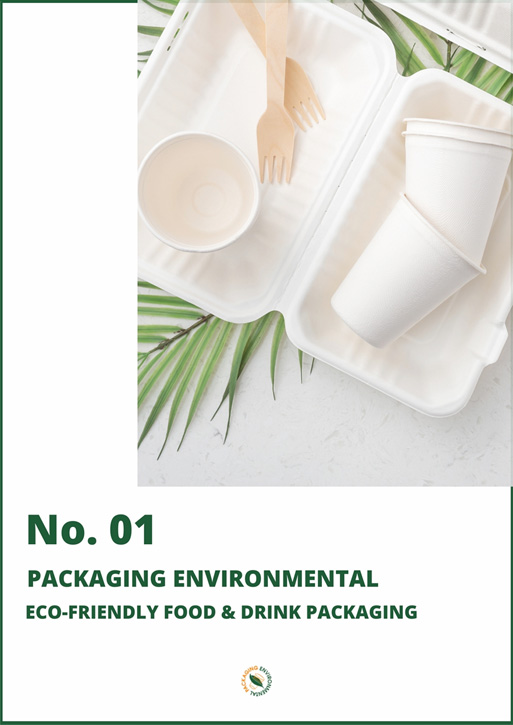
Get a copy of our catalogue
Download our catalogue with all the products we can brand!
Our specialists have many years of experience developing innovative solutions for your company’s values and brand that clarify them in packaging - we work hard to bring you the best of our packaging!